Speaking
Clinical AI, explained by someone who uses it on Monday.
Dr. Bander speaks to clinical, executive and investor audiences about AI in everyday care, new cardiac diagnostics, and how physicians can build. Keynotes, panels, grand rounds and hands-on workshops, in person or virtual.
Recent stages
Signature talks
Six talks, each drawn from work already done.
Every talk is adapted to the audience and the time available.
The AI-Assisted Clinic
Real-time documentation without the keyboard
What happens when the note writes itself during the visit, and the clinician checks it rather than types it. A working account from a cardiology practice that built and studied its own AI scribe: what it took, where it failed, and what changed for physicians and patients.
- How ambient and agentic documentation tools work in a real clinic
- What to measure before and after you deploy one
- Where a human must stay in the loop
For: Clinicians, CMIOs, practice leaders
Given at: TCT 2026; AHA Scientific Sessions 2025
An AI Roadmap for Cardiovascular Care
Scalable strategies for the service line
A division chief’s plan for bringing AI into a cardiovascular service line in order: which problems to start with, how to choose between building, buying and extending the EHR, and how to govern what you deploy.
- A sequence for adoption that matches risk to reversibility
- Build, buy or extend: a decision frame
- Governance that clinicians will accept
For: Health-system executives, service-line leaders, boards
Given at: THMA Fall 2026 Cardiovascular Forum
Talking to AI
A hands-on guide to prompting for clinicians
A practical workshop. Participants leave able to get reliable work out of current AI models: writing clear instructions, giving context, checking output, and knowing which tasks to keep for themselves.
- A repeatable way to brief an AI model
- Common failure patterns and how to catch them
- Safe use with clinical information
For: Physicians, fellows, nurses, administrators. Workshop or tutorial format
Given at: TCT 2026 AI Tutorials; Women As One CLIMB program
Quantum Sensing at the Bedside
Magnetocardiography and the chest-pain patient
The heart’s electrical activity produces a magnetic field. New sensors can read it without a shielded room. Dr. Bander describes the studies he has led in the emergency department, what the early data show, and what must be proven next.
- How magnetocardiography differs from the ECG
- What the emergency-department studies tested
- The path from investigational device to clinical tool
For: Cardiology and emergency medicine audiences, deep-tech and investor forums
Given at: AHA 2024; SandboxAQ annual conference 2025; ACC 2026
The Physician as Builder
Leading clinical innovation and entrepreneurship
Lessons from founding two companies while running a clinical division: how to find a problem worth solving, work inside an academic medical center, and get from a pilot to a program that lasts.
- Finding problems worth solving in daily practice
- Working with, not around, your institution
- What changes now that clinicians can build software themselves
For: Physician leaders, founders, innovation programs, investors
Given at: ARC Summit 2026, Tel Aviv
Caring for Those Who Serve
Heart health for firefighters and police
How a hospital and a fire officers’ union built a hypertension program together, using telehealth and remote monitoring, and what it teaches about reaching any workforce that does not come to the doctor.
- Designing screening around the working day
- Remote monitoring that people keep using
- Partnership with unions and community organizations
For: Public safety, occupational health, community and philanthropic audiences
Given at: Mount Sinai Fuster Heart Hospital Cardiovascular Conference 2025; AAHFN 2025


Recent talks and presentations
- Nov 2026
AI-Assisted Clinic: Real-Time Documentation Without the KeyboardInvited
Transcatheter Cardiovascular Therapeutics (TCT) 2026 · San Diego, CA
- Nov 2026
AI Tutorials — Talking to AI: A Hands-On Guide to Prompting AIInvited
Transcatheter Cardiovascular Therapeutics (TCT) 2026 · San Diego, CA
- Oct 2026
Leading Clinical Innovation and EntrepreneurshipInvited
ARC Summit 2026 · Tel Aviv, Israel
- Sep 2026
AI Roadmap: Scalable Strategies for Cardiovascular CareInvited
THMA Fall 2026 Cardiovascular Forum · Boston, MA
- Mar 2026
Emergency Department Triage of Patients with Suspected Acute Coronary Syndrome Using Unshielded Magnetocardiography
American College of Cardiology Scientific Session · New Orleans, LA
- Mar 2026
Evaluating a Digital Platform for STEMI Team Coordination
American College of Cardiology Scientific Session · New Orleans, LA
- Mar 2026
Evaluating Artificial Intelligence-Augmented Pre-Procedure Patient Phone Calls
American College of Cardiology Scientific Session · New Orleans, LA
- Nov 2025
Evolving the Scribe: Leveraging Agentic AI for Clinical Documentation
American Heart Association Scientific Sessions · New Orleans, LA
- Nov 2025
Evaluating Real-World Use of AI-Augmented Pre-Procedure Phone Calls for Cardiac Catheterization
American Heart Association Scientific Sessions · New Orleans, LA
- Nov 2025
Supporting Patients’ Cultural and Religious Needs During Hospitalization
Chesed 24/7 Kindness Conference · Old Tappan, NJ
- Sep 2025
Quantum Sensing and Acute Coronary Syndrome
SandboxAQ Annual Conference · San Francisco, CA
- Jun 2025
Addressing Hypertension in Firefighters: Prevention, Early Detection and Community Engagement
American Association of Heart Failure Nurses · Savannah, GA
- May 2025
Addressing Hypertension in Firefighters: Prevention, Early Detection and Community Engagement
The Inaugural Mount SinAI Retreat · New York, NY
- Mar 2025
Addressing Hypertension in Firefighters: Prevention, Early Detection and Community Engagement
Mount Sinai Fuster Heart Hospital Cardiovascular Conference · New York, NY
- Nov 2024
AI and Quantum Sensors: A Safe and Effective Unshielded Bedside Magnetocardiogram to Detect Ischemia in the Emergency Room
American Heart Association Scientific Sessions · Chicago, IL
- Nov 2019
Incidence and Costs of 30-Day Unplanned Readmission After NSTEMI versus STEMI in the United States
American Heart Association Scientific Sessions · Philadelphia, PA
- The eventName, date, city or virtual, and who is in the room.
- The formatKeynote, panel, fireside conversation, grand rounds or workshop, and the time allotted.
- The topicOne of the talks above, or the question you want answered.
- SponsorshipWhether the session has an industry sponsor, and who it is.
- LogisticsRecording and slide-sharing plans, travel, and honorarium.
Typical setup: lavalier or headset microphone, slide clicker, 16:9 screen, and a confidence monitor where available.
Media kit
Biographies, photographs and the right spelling.
No sign-up needed. Last updated 11 November 2026.
Name and titles
- NameJeffrey Bander, MD, FACC
- On second referenceDr. Bander
- Primary titleChief of Cardiology, Mount Sinai West
- Academic titleAssociate Professor of Medicine (Cardiology) and of Artificial Intelligence and Human Health, Icahn School of Medicine at Mount Sinai
- AlsoAssociate Director, Cardiovascular Institute. Founder and CMO, ReferWell and Provider Loop. Director, MSW AI Lab
Photographs
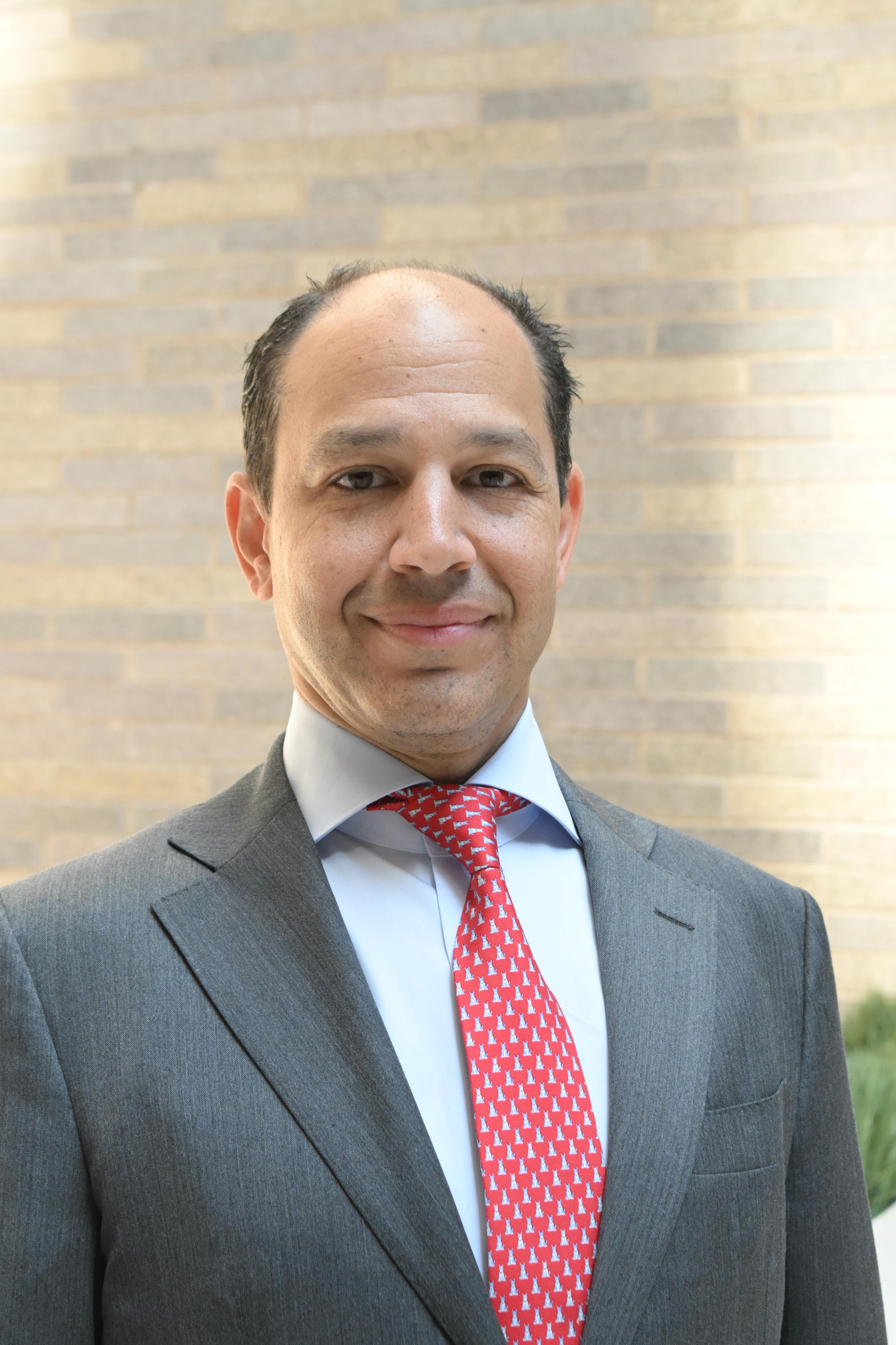
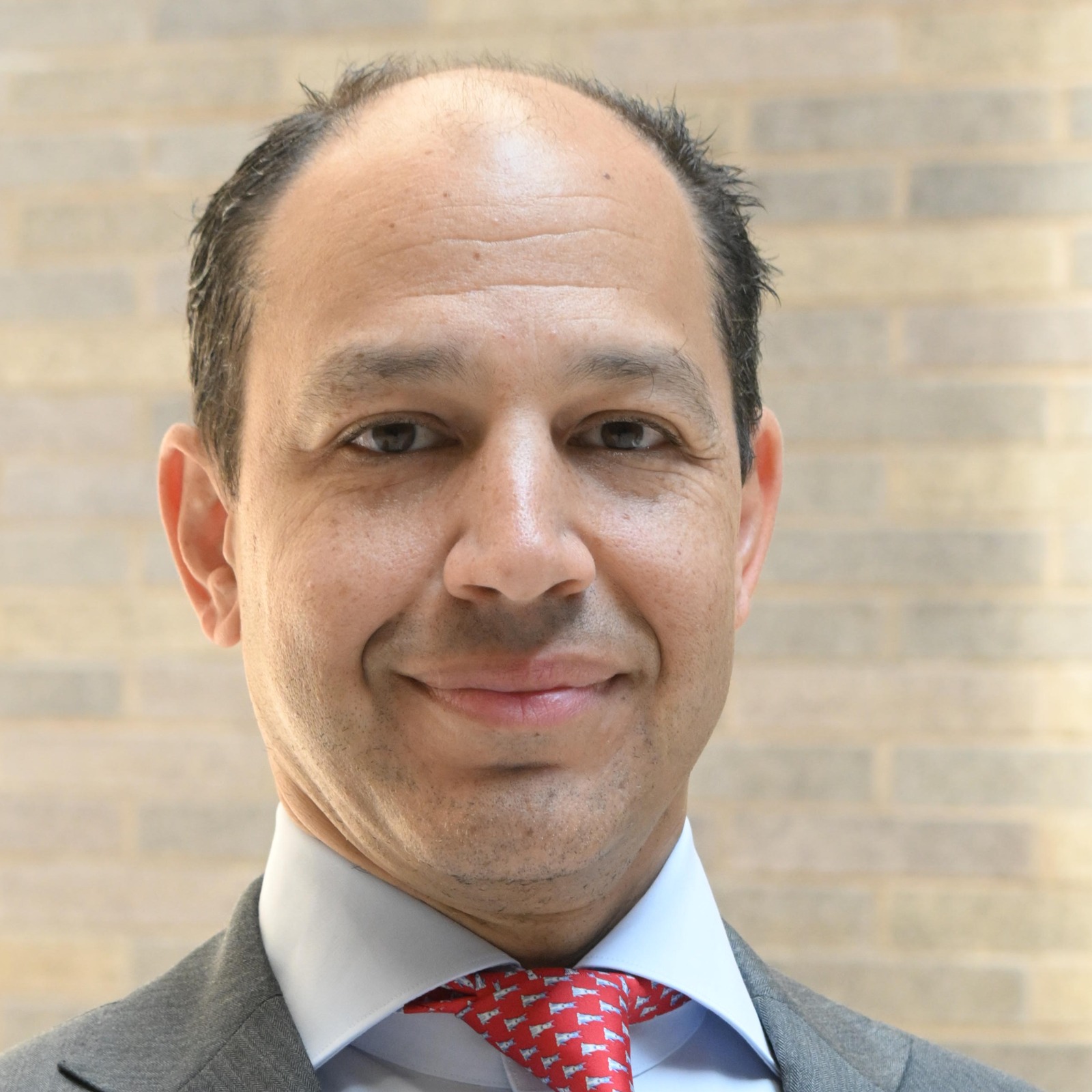
One line
Jeffrey Bander, MD, FACC, is Chief of Cardiology at Mount Sinai West, a health-technology founder, and director of the MSW AI Lab.
Short biography · about 70 words
Jeffrey Bander, MD, FACC, is Chief of Cardiology at Mount Sinai West and Associate Director of the Cardiovascular Institute at the Icahn School of Medicine at Mount Sinai, where he is an Associate Professor of Medicine and of Artificial Intelligence and Human Health. A practicing interventional cardiologist, he founded ReferWell and Provider Loop and directs the MSW AI Lab, where clinicians build the software they use.
Program biography · about 170 words
Jeffrey Bander, MD, FACC, is Chief of Cardiology at Mount Sinai West and Associate Director of the Cardiovascular Institute at the Icahn School of Medicine at Mount Sinai, where he is an Associate Professor in the Department of Medicine (Cardiology) and in the Windreich Department of Artificial Intelligence and Human Health. An interventional cardiologist trained at Harvard Medical School, Columbia and Mount Sinai, he cares for patients with complex coronary disease and heart failure. He created Mount Sinai’s Rapid Cardiac Evaluation Unit, co-founded its hypertension program for New York City fire officers, and has been principal investigator on studies of magnetocardiography, a quantum-sensing approach to detecting cardiac ischemia. He is the co-founder and Chief Medical Officer of ReferWell, the founder of Provider Loop, and directs the MSW AI Lab, a research laboratory in which clinicians build and study AI tools for everyday care. He speaks on clinical AI, cardiovascular service-line strategy and physician entrepreneurship.
Spoken introduction · about one minute
Our next speaker is a cardiologist who still sees patients and still builds things. Dr. Jeffrey Bander is Chief of Cardiology at Mount Sinai West and Associate Director of the Cardiovascular Institute at the Icahn School of Medicine at Mount Sinai, where he is an Associate Professor of Medicine and of Artificial Intelligence and Human Health. He trained at Harvard, Columbia and Mount Sinai. He founded two health-technology companies, ReferWell and Provider Loop, started a heart-health program for New York City fire officers, and has led studies of a quantum sensor that reads the heart’s magnetic field. Today he directs the MSW AI Lab, where clinicians build the tools they use. Please welcome Dr. Jeffrey Bander.
The full biography is on the About page.